Watercolor American Football Clipart Review
As a professional embroidery designer and product reviewer, I approach every new digital asset with a specific question: will this actually stitch out well on fabric? When evaluating Watercolor American Football Clipart, my focus shifts immediately from the screen to the hoop. Watercolor illustrations possess a unique charm that translates beautifully to thread, but they also present distinct technical challenges compared to traditional vector-based sports graphics. This review breaks down how this specific clipart performs in real-world embroidery projects, offering practical insights for Etsy sellers, apparel decorators, and makers who need reliable design assets.
First Impressions and Visual Personality
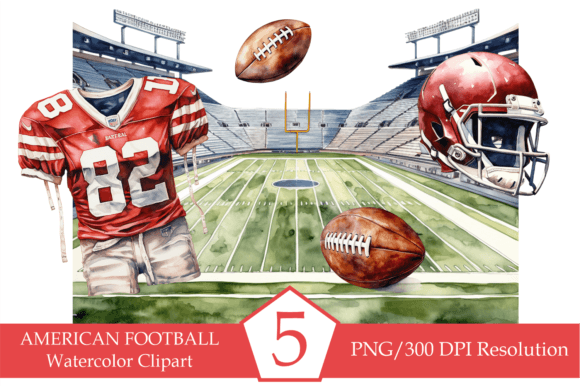
My initial assessment of this Watercolor American Football Clipart centers on its mood and adaptability. Unlike rigid, high-contrast team logos, this illustration carries a softer, vintage aesthetic. The edges are organic rather than sharp, and the color blending suggests depth without relying on heavy outlines. For an embroidery project, this is significant. It signals a move away from aggressive sportswear toward lifestyle branding, nursery decor, or boutique apparel. The visual personality feels handmade and nostalgic, which aligns perfectly with current market trends for personalized gifts and small shop products. However, as an embroiderer, I immediately look for how those soft watercolor transitions will be interpreted into stitch types. A successful machine embroidery design must capture that painterly effect through strategic thread color changes and varied stitch density, not just solid blocks of fill.
Real-World Application: The Custom Sweatshirt Test
To truly evaluate this asset, I mentally applied it to a recent client request: a custom embroidered sweatshirt for a football mom’s boutique launch. In this scenario, the Watercolor American Football Clipart serves as the centerpiece of a chest placement. On a fleece sweatshirt, the texture of the fabric interacts with the stitch. Because watercolor art relies on subtle shading, I considered how the design would sit on the fuzzy surface. The soft edges of the clipart allow for a more forgiving registration than crisp satin stitch borders, which can sometimes sink into fleece and disappear.
For this specific use case, the design works exceptionally well because it avoids the "sticker" look. When customers buy handmade products, they want something that feels integrated into the garment. The artistic nature of this illustration allows it to blend seamlessly with script fonts or minimalist text, creating a cohesive custom apparel piece. If you are an Etsy seller listing similar items, this style of clipart elevates the perceived value of the finished product. It reads as a premium, curated design rather than a generic stock graphic, which directly influences buyer engagement and trust.
Technical Considerations for Stitching Success
While the aesthetic is appealing, practical execution requires careful planning. Watercolor-style embroidery files often utilize complex fill stitches to mimic brush strokes. Before committing this Watercolor American Football Clipart to a final product, you must verify the stitch density. Areas intended to look transparent or washed out in the digital file should not be dense solid fills in the embroidery version, or the fabric will pucker and become stiff. I always recommend checking if the digitizer has used running stitches or light tatami fills to create those watercolor effects. This distinction is vital for maintaining the drape of garments like baby clothes or lightweight tote bags.
Fabric choice dictates success here. On smooth, tightly woven fabrics like quilting cotton or twill, the detail of the watercolor effect shines. However, on highly textured surfaces like terry cloth towels or chunky knits, the subtle color gradients may get lost. In those cases, the design might need a backing mesh or a slight increase in stitch density to remain visible. Additionally, consider the hoop size. Watercolor designs often require larger canvases to show their detail. Shrinking this American Football Clipart down to a 2-inch cap logo might result in muddy colors and undefined shapes. Always confirm the minimum recommended size in the file specifications to preserve the integrity of the artwork.
Navigating Fabric Types and Stabilization
Stabilizer selection is non-negotiable when working with artistic illustrations. Because Watercolor American Football Clipart likely involves multiple thread colors and directional stitching to simulate paint flow, improper stabilization can cause misalignment. For stretchy fabrics like jersey knits used in t-shirts or baby onesies, a cut-away stabilizer is essential to prevent the design from distorting during wear and washing. If you are creating an embroidered patch or a structured item like a cap, ensure the digitized file supports the necessary rigidity.
I also advise caution with dark fabrics. Watercolor clipart is typically designed with light backgrounds in mind. If you plan to stitch this on navy or black apparel, verify that the embroidery file includes a white underlay or base layer. Without it, the pastel or muted tones characteristic of watercolor art will vanish against the dark fabric, rendering the design invisible. Testing on a scrap of your actual project fabric is the only way to guarantee contrast and clarity before running a full production batch.
Commercial Viability and Product Value
For creative entrepreneurs and craft business owners, the commercial utility of this asset extends beyond physical stitching. High-quality Watercolor American Football Clipart is invaluable for creating printable mockups and digital product previews. Before investing time in digitizing or purchasing a machine embroidery design, use the original illustration to create compelling listing photos. This helps validate market interest and ensures brand consistency across your shop.
When selling finished goods, the uniqueness of watercolor art justifies higher price points. Customers recognize that these aren't standard athletic department store designs. Whether you are making holiday embroidery for seasonal markets or personalized gifts for team banquets, this style bridges the gap between spirited and sophisticated. Just remember to double-check licensing terms. Ensure your purchase covers commercial embroidery use if you intend to sell physical items, and verify whether digital resale or modification is permitted. Protecting your business starts with respecting intellectual property.
Designer Notes for Best Results
Based on my experience reviewing and testing similar assets, here are practical steps to ensure your Watercolor American Football Clipart project succeeds:
- Test Stitch First: Never skip the test run. Use a fabric scrap identical to your final project to check thread tension, color blending, and overall feel.
- Audit Thread Colors: Watercolor effects depend on precise color matching. Compare the digital palette to your physical thread collection. You may need to blend two thread colors in the machine to achieve the exact gradient shown in the illustration.
- Check Small Details: Inspect the file for tiny elements that might not stitch out cleanly. If the clipart includes fine splatters or thin lines, ensure they are digitized as running stitches rather than satin stitches to prevent thread breaks.
- Evaluate Washability: If creating baby embroidery or kitchen textiles, test the design after laundering. Artistic fills can sometimes loosen; using a quality topping and proper wash-away stabilizer helps maintain definition.
- Mockup Validation: Create both light and dark background mockups to see how the design translates visually. This step saves time and materials by identifying contrast issues before hooping.
Ultimately, Watercolor American Football Clipart offers a refreshing alternative to traditional sports imagery. It brings warmth and artistry to machine embroidery, perfect for makers who want to stand out. By approaching this asset with technical diligence and creative intention, you can transform a digital illustration into a cherished, professional-grade finished product that resonates with customers and showcases your craftsmanship.