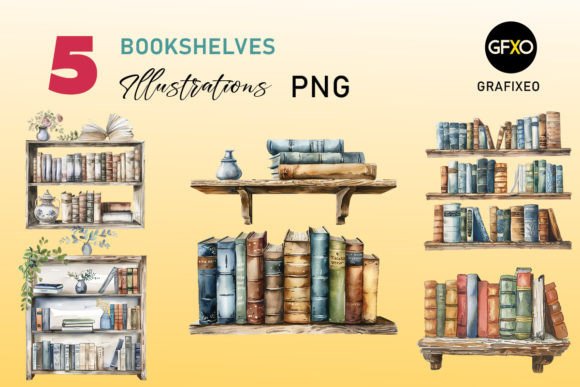
Watercolor Book Border Clipart PNG: Illustrations Review
First Impressions: Setting an Organic and Literary Tone
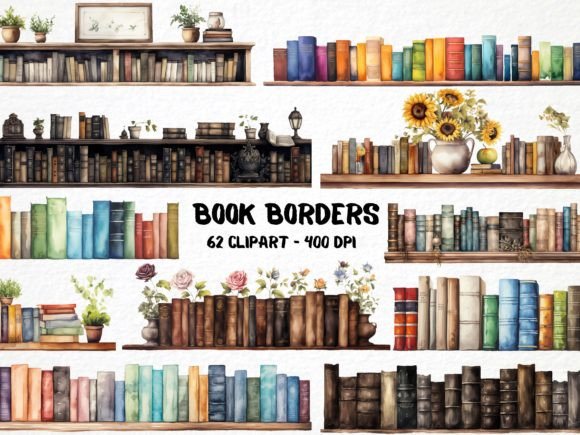
As a brand designer evaluating assets for a client’s upcoming seasonal book launch, my first interaction with the Watercolor Book Border Clipart PNG was focused entirely on emotional resonance. In content marketing, we often talk about "stopping the scroll," but for literary and lifestyle brands, stopping the scroll requires more than just bright colors; it requires atmosphere. This graphic design asset immediately establishes a mood that is nostalgic, tactile, and intentionally imperfect. The watercolor texture suggests a human touch, which is critical when trying to build audience trust in an increasingly AI-generated digital landscape.
For small business branding, particularly for authors, coaches, or boutique publishers, this illustration style signals authenticity. It does not feel corporate or sterile. Instead, it evokes the feeling of opening a cherished journal or receiving a handwritten letter. When reviewing this PNG design, I noted that the transparency allows it to sit softly over various backgrounds without creating a harsh visual box. This subtlety is what separates professional branding from amateur design. It frames content rather than competing with it, making it an ideal candidate for brands that prioritize storytelling and organic connection over aggressive sales tactics.
Elevating Content Marketing and Editorial Design Workflows
In a recent campaign workflow for a creative entrepreneur launching a new course, we needed to unify disparate content pieces into a cohesive visual narrative. The Watercolor Book Border Clipart PNG served as the connective tissue across multiple platforms. We utilized it heavily in editorial design for blog headers and lead magnets. Because the asset mimics the edges of an open book or page, it naturally cues the audience to expect long-form, valuable content. This psychological priming is essential for content marketing strategies aimed at education and community building.
Beyond static web design, this clipart proved versatile for social media graphics. On Pinterest, where vertical space is premium, the border guided the eye toward the central headline without cluttering the pin. For Instagram carousels, it provided a consistent frame that reinforced brand identity from slide to slide. When designing Canva templates for the client, the PNG format allowed for easy resizing and layering. Unlike complex SVG design files that can sometimes render inconsistently across different browsers or software, this high-resolution PNG maintained its painterly integrity whether used in a digital ad or a printable design for physical handouts.
Strategic Applications Across Brand Touchpoints
The true value of any design bundle lies in its adaptability. During our testing phase, we applied the Watercolor Book Border Clipart PNG to several key marketing visuals:
- Packaging Design: Used as a subtle accent on thank-you cards included in product shipments, elevating the unboxing experience.
- Email Banners: Placed at the top of newsletters to create a warm welcome before the text began, improving open-to-read rates.
- Digital Product Covers: Framed ebook covers and workbook PDFs to give them a polished, published appearance.
- Event Flyers: Softened the edges of promotional posters for a literary workshop, making the event feel intimate and accessible.
These applications demonstrate how a single illustration can support diverse commercial design needs while maintaining a unified aesthetic. For digital sellers and online coaches, this consistency is what transforms a collection of posts into a recognizable brand.
Where This Asset Shines and Where to Exercise Caution
While the Watercolor Book Border Clipart PNG is a powerful tool, it is not universally applicable. Through A/B testing and mockup reviews, we identified specific environments where this asset performs best versus where it may hinder communication. It excels in hero graphics, campaign headers, and branded templates where whitespace is abundant. The organic edges of the watercolor bleed beautifully into cream, pastel, or muted earth-tone backgrounds, enhancing the modern design aesthetic favored by lifestyle brands.
However, caution is required in dense information layouts. If you are designing a technical chart, a pricing table with fine print, or a text-heavy Facebook ad, this border can reduce legibility. The textured edges may interfere with small sans serif fonts, causing accessibility issues. Furthermore, for strictly formal corporate branding or fintech companies, the whimsical nature of this illustration might undermine the desired perception of precision and stability. Always consider your specific audience perception goals; if the goal is clinical authority, this asset is likely a mismatch. But if the goal is emotional connection and creative inspiration, it is a perfect fit.
Practical Designer Notes for Professional Implementation
Before integrating this asset into paid campaigns or client work, I recommend a rigorous quality assurance process. First, test the Watercolor Book Border Clipart PNG against your established brand color palette. Watercolors are translucent; placing them over a dark background will drastically alter their hue and visibility. Second, check readability by previewing designs on mobile screens. What looks balanced on a desktop monitor may crop awkwardly on a phone, potentially obscuring key messaging.
Typography pairing is equally important. This illustration pairs exceptionally well with serif fonts and handwritten scripts, reinforcing the literary theme. However, if using bold display fonts, ensure there is sufficient padding between the text and the border to maintain visual hierarchy. Finally, and most critically, verify the commercial license. As a professional branding expert, I cannot stress enough the importance of confirming usage rights before deploying assets in digital ads or merchandise. Ensuring you have the correct license protects your business and respects the original creator. When used correctly, this graphic design asset is more than just decoration; it is a strategic element of visual communication that enhances brand recognition and fosters deeper engagement with your target audience.