Watercolor Boxer Dog Clipart: Editorial Illustrations Review
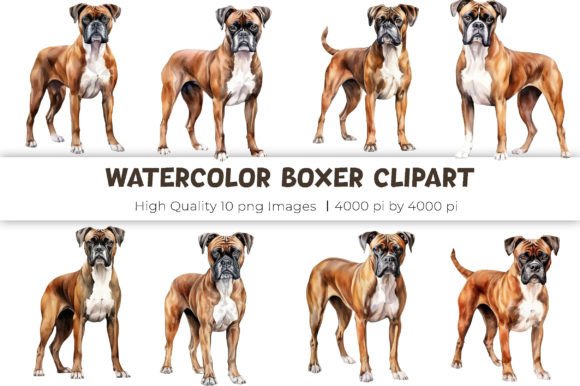
As a digital publisher and blog designer, my first interaction with any new graphic design asset is strictly utilitarian. I am not looking for art for art's sake; I am looking for visual solutions that solve engagement problems. When I opened the Watercolor Boxer Dog Clipart file set for review, my immediate assessment focused on its editorial utility. The aesthetic is distinctly warm, organic, and approachable, moving away from sterile vector graphics toward something that feels handcrafted and authentic. This specific style of watercolor illustration evokes a sense of nostalgia and gentle companionship, making it an ideal candidate for lifestyle-focused content rather than clinical veterinary resources.
The mood established by these illustrations is undeniably soft yet confident. Boxers are energetic dogs, but the watercolor medium softens their boisterous nature into something more palatable for a general audience. For a content creator, this means the asset bridges the gap between "playful" and "professional." It avoids the cartoonish look that can sometimes undermine reader trust in affiliate marketing or educational content, while still retaining enough personality to stop the scroll on social media feeds. In terms of niche alignment, this clipart naturally supports pet parenting blogs, dog training guides, breed-specific rescue newsletters, and artisanal pet product shops.
Integrating Assets Into Real Publishing Workflows
In a real-world publishing scenario, versatility is the metric that matters most. I tested this Watercolor Boxer Dog Clipart across several standard content formats to evaluate its adaptability. As a featured image element for blog posts, the transparent background allows for seamless layering over solid colors or subtle textures without creating awkward white boxes that disrupt modern design layouts. This is crucial for maintaining a clean visual hierarchy where the headline remains the primary focal point and the illustration serves as a supportive emotional hook.
For Pinterest pin creation, this asset performs exceptionally well. Pinterest users respond to vertical graphics that feel personal and curated. Placing a watercolor boxer in the upper third of a pin, paired with a bold serif font for the title, creates a balanced composition that signals high-quality content. Unlike stock photography which can sometimes feel generic, these custom illustrations suggest that the linked article contains unique insights or original advice. Similarly, when designing newsletter headers, the artwork adds a human touch to email marketing campaigns, potentially increasing open rates by making the communication feel less transactional and more relational.
Beyond standard web content, this graphic design asset shows strong potential for digital product development. If you are creating a lead magnet such as a "New Puppy Checklist" or a printable dog health tracker, incorporating consistent illustrative elements helps elevate the perceived value of the freebie. It transforms a simple PDF into a branded resource. For those utilizing Canva templates to streamline production, these PNG files integrate smoothly, allowing for rapid iteration of social media graphics and story slides without sacrificing brand identity.
Impact on Reader Trust and Content Performance
Visual communication is directly tied to reader retention and trust. In the competitive landscape of content marketing, professional polish signals authority. Using cohesive illustrations like the Watercolor Boxer Dog Clipart establishes a stronger visual identity across your platform. When visitors see consistent artistic styling across your website header, category thumbnails, and downloadable resources, it reinforces brand recognition. This consistency reduces cognitive load, allowing readers to focus on your message rather than being distracted by disjointed visuals.
Furthermore, the right illustration improves click-through potential. In affiliate marketing, where conversion is the goal, imagery must strike a balance between aspiration and reality. A hyper-realistic photo might highlight flaws, while a crude drawing suggests amateurism. Watercolor occupies a sweet spot that implies care and quality. When used in ad creatives or promotional banners for pet products, this artistic style can soften the sales pitch, making the content feel like a recommendation from a friend rather than a corporate advertisement. This subtle psychological shift is often what differentiates high-performing creative design from ignored banner ads.
Optimal Placement and Strategic Caution Areas
Through testing, I identified specific environments where this asset shines and others where restraint is necessary. The Watercolor Boxer Dog Clipart works best in spaces that benefit from emotional resonance. Hero images on "About" pages, decorative accents in long-form storytelling articles, and cover art for eBooks regarding dog behavior are prime locations. It also serves effectively as a visual break in text-heavy tutorials, helping to maintain reader engagement through varied pacing.
However, publishers must exercise caution in certain contexts. Due to the intricate edges typical of watercolor textures, this asset can lose definition when scaled down to very small mobile thumbnails or favicon sizes. In these instances, simpler icons are preferable. Additionally, avoid using this style in highly technical or emergency veterinary content where clarity and urgency supersede aesthetics. A serious article about canine surgery requires precise diagrams, not whimsical art. Finally, be mindful of busy backgrounds; watercolor relies on negative space to breathe. Placing these illustrations over complex photographic backgrounds or high-contrast patterns will result in visual clutter and reduced readability.
Publisher Notes on Technical Execution and Licensing
Before deploying this asset to a live site, rigorous technical validation is required. Always test the illustration against your actual website theme on both desktop and mobile viewports. Check how the transparency renders against your specific background color codes; what looks good on a white canvas in Photoshop may vibrate unpleasantly against a cream or dark mode background. Verify legibility by placing headline text adjacent to the artwork to ensure the decorative elements do not compete with your typography. I recommend testing pairings with both sans-serif fonts for a modern contrast and handwritten scripts for a cohesive, journal-like aesthetic.
Web performance cannot be overlooked. Watercolor files can be deceptively large due to color variation and edge detail. Always compress images properly before uploading to preserve site speed, which is a critical ranking factor. Use next-gen formats like WebP where possible to reduce file size without visible quality loss. Equally important is the legal aspect of commercial design. Before using this asset on monetized websites, affiliate pages, or within paid digital downloads, confirm the commercial license terms. Ensure the license covers your specific use case, especially if you plan to incorporate the illustration into products for resale or extensive template distribution.
Ultimately, the Watercolor Boxer Dog Clipart represents a valuable addition to the creative entrepreneur’s toolkit. It offers a distinct alternative to ubiquitous stock photography, providing a pathway to more personalized and emotionally resonant web design. By applying strategic placement, respecting technical constraints, and ensuring proper licensing, publishers can leverage this asset to build a more trustworthy, clickable, and visually cohesive brand presence. Whether enhancing a simple blog post or developing a comprehensive digital guide, thoughtful integration of such illustrations elevates the entire user experience.