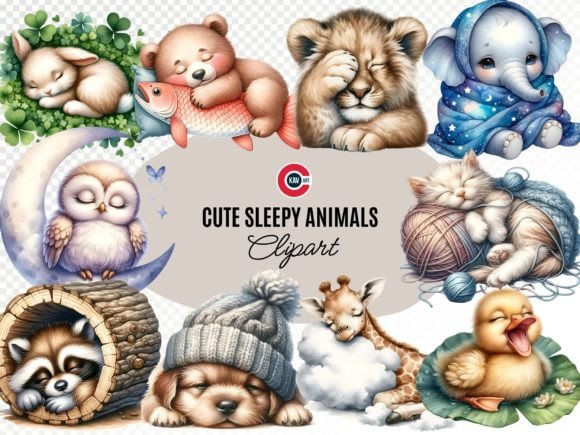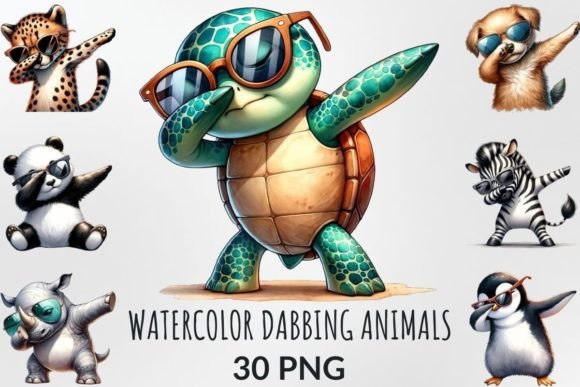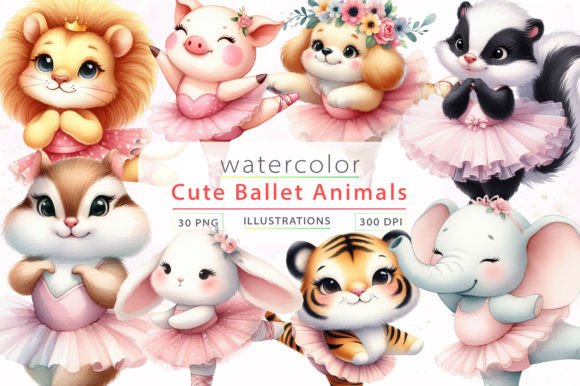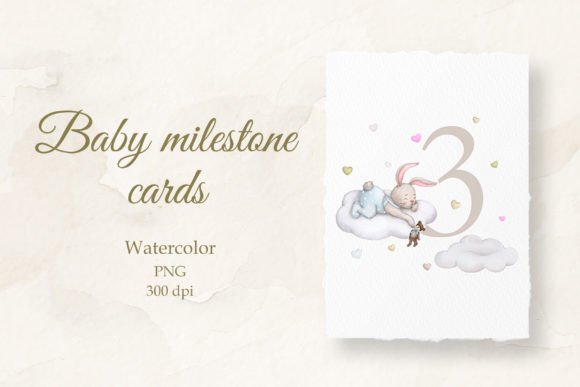
Watercolor Nursery Plush Toy Animals Illustrations
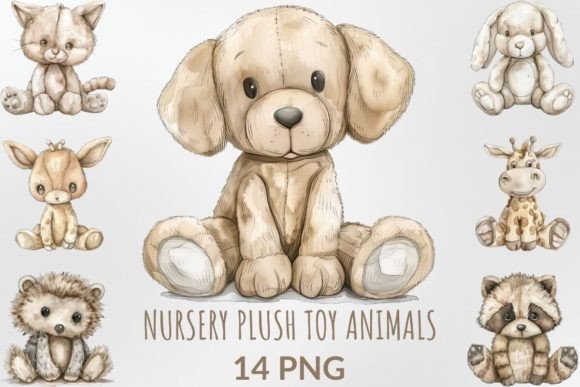
As a digital publisher and blog designer, my first interaction with any new graphic design asset is strictly analytical. Before I consider the aesthetic beauty, I evaluate functional utility. When reviewing Watercolor Nursery Plush Toy Animals for potential inclusion in editorial workflows, the immediate impression is one of softness, safety, and tactile warmth. Unlike flat vector art or stark photography, these illustrations carry an inherent emotional weight that signals comfort and nostalgia. For content creators operating in the parenting, early childhood education, or boutique e-commerce niches, this visual mood is not merely decorative; it is a strategic communication tool. The hand-painted texture suggests authenticity and care, which directly influences reader trust before they even engage with the headline.
This specific collection of illustrations establishes a gentle visual hierarchy that differs significantly from bold, high-contrast commercial design. It creates an editorial atmosphere that feels intimate rather than transactional. In a real publishing workflow, this distinction is vital. If you are building a brand identity around mindful parenting, sustainable toys, or creative play, these assets bridge the gap between professional polish and personal connection. They avoid the sterile look of generic stock imagery while maintaining the consistency required for modern web design. The plush toy subject matter naturally anchors the viewer’s attention, making it an ideal focal point for lifestyle-focused content that needs to feel approachable yet authoritative.
Strategic Placement Across Digital Publishing Channels
In my daily work managing content calendars and designing site templates, versatility is the primary metric for success. Watercolor Nursery Plush Toy Animals excel because they function across multiple formats without losing their integrity. As featured images for blog posts, they provide enough negative space to accommodate overlay text without obscuring the central subject. This is crucial for maintaining readability on category pages where thumbnails are often reduced in size. The soft edges of the watercolor style allow the illustration to blend seamlessly into various background colors, making it easier to adapt to different seasonal themes or brand palette shifts without requiring extensive editing.
Beyond standard blog graphics, these illustrations serve as powerful anchors for Pinterest pin design. The vertical nature of plush toy compositions aligns perfectly with the 2:3 aspect ratio preferred by the platform. When creating pins for affiliate marketing or product reviews, the illustrative style tends to perform better than aggressive sales graphics because it mimics organic user-generated content. Similarly, for newsletter creators, using these assets as headers or section dividers can increase engagement by breaking up dense text blocks with a moment of visual respite. They signal to the subscriber that the email contains curated, thoughtful content rather than a hard sell.
Elevating Lead Magnets and Digital Products
For online educators and creative entrepreneurs selling digital downloads, packaging is everything. These illustrations transform standard PDF documents into perceived premium products. When designing a lead magnet, such as a developmental milestone tracker or a nursery decor guide, incorporating Watercolor Nursery Plush Toy Animals on the cover page instantly communicates value. It tells the user that the resource was crafted with intention. This perception of quality is essential for conversion rates on landing pages. A printable design featuring these soft, artistic elements feels like a keepsake rather than a disposable worksheet, encouraging users to save, print, and share the resource, thereby extending your content marketing reach.
The same principle applies to Canva template creation. Many small business owners purchase templates specifically to achieve this cohesive, illustrated look without hiring a custom artist. By integrating these assets into editable templates, you provide end-users with a plug-and-play solution for their own branding. Whether used as eBook covers for self-published children's stories or as decorative accents in a media kit, the watercolor texture adds a layer of sophistication that flat graphics cannot replicate. It supports a narrative of creativity and gentleness that resonates deeply with audiences seeking alternatives to mass-produced corporate aesthetics.
Optimizing Visual Performance and Reader Trust
Visual performance extends beyond technical file sizes; it encompasses how quickly a reader understands the context of a page. Watercolor Nursery Plush Toy Animals facilitate rapid cognitive processing for specific demographics. When a parent lands on an article about sensory play, the presence of these specific illustrations confirms relevance within milliseconds. This alignment between visual cue and content topic reduces bounce rates and increases time-on-page. Furthermore, consistent use of this illustrative style across social media graphics and website headers builds a recognizable brand identity. Over time, followers begin to associate this specific artistic aesthetic with your voice and expertise, creating a subconscious loyalty that drives repeat traffic.
However, achieving this level of polish requires careful attention to contrast and composition. While these illustrations are beautiful, they lack the hard lines of vector art, which means they can struggle against busy backgrounds. In my testing, I have found that they perform best when given ample breathing room. Placing them directly over complex photographic backgrounds or dark, textured patterns often diminishes their impact. They require clean, solid, or subtly graded backdrops to maintain their delicate details. Additionally, when using them for affiliate content visuals, ensure the product being promoted shares a similar aesthetic tone. Pairing these soft illustrations with harsh, industrial-looking products can create visual dissonance that confuses the reader and undermines the editorial message.
Technical Considerations for Web and Print Production
Before deploying any graphic design asset in a live environment, rigorous technical validation is non-negotiable. Always test Watercolor Nursery Plush Toy Animals on both desktop and mobile screens. What looks crisp on a 27-inch monitor may appear muddy or indistinct on a smartphone thumbnail. Check the file resolution carefully; for web use, compress images to balance quality and load speed, but retain high-resolution masters for printable design projects. Verify that the color profile is appropriate for the intended medium—RGB for digital guides and social media, CMYK if you plan to offer physical prints. Color shifting is common with watercolors, so proofing is essential to ensure the blush pinks and sage greens remain accurate across devices.
Typography pairing is another critical factor in successful implementation. These illustrations possess a distinct personality that clashes with rigid, geometric sans-serif fonts. During layout testing, I consistently find better harmony with rounded serifs, elegant scripts, or clean humanist sans-serifs. Test headlines beside the artwork to ensure the text does not compete with the illustration’s focal points. Most importantly, always confirm the commercial license before using these assets on monetized websites or paid digital products. Licensing terms vary significantly across creative marketplaces, and assuming rights can lead to legal complications. Proper attribution and usage compliance are just as important as the visual design itself in maintaining a professional publishing operation.
Ultimately, integrating Watercolor Nursery Plush Toy Animals into your content strategy is an exercise in emotional design. They offer a unique opportunity to soften the digital experience while maintaining professional standards. By treating these illustrations as functional components of your visual hierarchy rather than mere decoration, you enhance both the usability and the desirability of your content. Whether you are crafting a viral Pinterest pin, designing a comprehensive digital guide, or simply refreshing your blog’s category thumbnails, these assets provide the artistic foundation necessary to build a trusted, visually compelling brand in the competitive landscape of family and lifestyle publishing.