Watercolor St. Patrick's Day Illustrations for Web
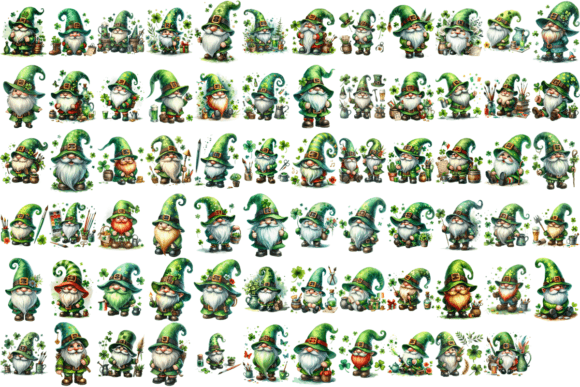
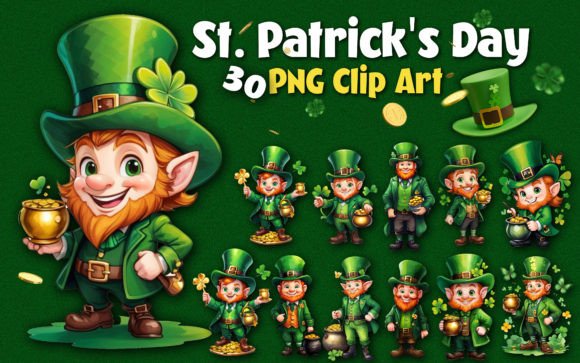
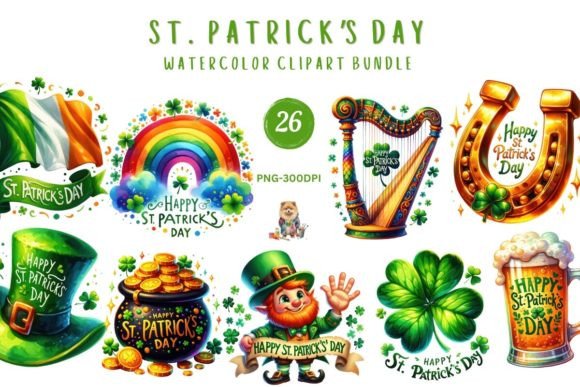
As a digital publisher and blog designer, my first interaction with any seasonal asset is strictly utilitarian: does this graphic design asset solve a visual problem or create one? When evaluating the Watercolor St. Patrick s Day PNG Clipart collection, the immediate impression is one of soft, organic accessibility. Unlike the harsh, neon greens often associated with this holiday in commercial advertising, these watercolor illustrations establish an editorial mood that feels handcrafted, nostalgic, and distinctly feminine. For content creators in the lifestyle, parenting, education, or DIY niches, this aesthetic signals warmth rather than aggressive salesmanship. It creates a sense of reader trust because it mimics the texture of traditional art, bridging the gap between digital consumption and tangible creativity.
This specific visual tone is critical for modern web design. Readers are increasingly fatigued by sterile, corporate stock photography. Integrating these watercolor elements into your site suggests that a human being curated the content. Whether you are running a food blog featuring Irish soda bread recipes or an educational site offering history worksheets, the asset supports a narrative of authenticity. It moves beyond mere decoration to become a functional component of your brand identity, softening the user interface and making seasonal content feel like a natural extension of your year-round aesthetic rather than a jarring interruption.
Deploying Assets Across Editorial and Marketing Workflows
In a real publishing workflow, versatility is the metric that determines ROI. I tested the Watercolor St. Patrick s Day PNG Clipart across multiple formats to assess its adaptability. The transparent background of the PNG files makes them exceptionally useful for layering within Canva template projects. For blog graphics, individual clover or leprechaun hat elements serve as excellent corner accents or divider lines, breaking up long-form text without overwhelming the reading experience. This subtle application maintains visual hierarchy, ensuring the typography remains the primary focal point while the imagery provides necessary atmospheric context.
For content marketing efforts, these illustrations shine in lead generation. I found them particularly effective when designing a lead magnet cover or a digital guide regarding spring festivities. Because watercolor carries an inherent perception of value and artistry, it elevates freebies and printable design products above standard PDF downloads. When creating Pinterest pin designs, the soft edges of the clipart blend seamlessly with pastel or cream backgrounds, which tend to perform better algorithmically than high-contrast, cluttered pins. Furthermore, for those engaged in affiliate marketing, using custom-styled graphics featuring these assets can increase click-through rates by making promotional content appear more native and less like a banner ad.
Strategic Placement for Maximum Visual Impact
Understanding where to place this asset is just as important as the asset itself. Based on my testing, the Watercolor St. Patrick s Day PNG Clipart performs best in areas requiring emotional connection or thematic signaling. Use these elements generously in:
- Website Header: A subtle wreath or border element here sets the seasonal tone immediately upon page load without obstructing navigation.
- Social Media Graphics: Instagram stories and Facebook posts benefit from the organic texture, which stops the scroll by contrasting against the platform’s flat UI.
- Newsletter Headers: Email clients render watercolors well; a festive header increases open engagement by promising a warm, curated reading experience.
- Category Thumbnails: Helps users visually distinguish seasonal archives from evergreen content.
- Digital Download Previews: Mockups featuring these illustrations suggest high-quality production values to potential buyers.
Conversely, there are environments where restraint is necessary. Avoid placing detailed watercolor elements in small mobile thumbnails where the intricate brush strokes will muddy into unrecognizable blobs. Be cautious when using them in serious professional niches, such as financial planning or legal advice, unless the color palette is significantly desaturated to maintain authority. Additionally, if your website utilizes a very minimal, brutalist, or dark-mode design system, the delicate nature of these illustrations may clash with your existing modern design language. Always prioritize readability; never place body text directly over complex watercolor textures without a solid overlay.
Technical Vetting and Publisher Best Practices
A beautiful asset is useless if it degrades site performance or violates licensing terms. As part of my review process, I subjected the Watercolor St. Patrick s Day PNG Clipart to rigorous technical checks. First, verify the resolution. For editorial design and web use, ensure the longest side is at least 2000 pixels to accommodate retina displays, but be mindful of file size. Raw PNGs can be heavy; always run them through compression tools like TinyPNG before uploading to preserve core web vitals. A slow-loading featured image will negate any aesthetic benefits.
Typography pairing requires deliberate testing. I placed these assets beside various font families to gauge compatibility. Serif fonts (like Playfair Display) enhance the traditional, storybook quality of the watercolor. Sans-serif fonts (like Montserrat) provide a clean, contemporary frame that prevents the design from looking dated. Script fonts should be used sparingly to avoid competing with the hand-painted feel of the clipart. Always test contrast ratios; white text over light green watercolor is inaccessible. Use dark charcoal or deep forest green text to ensure ADA compliance and reader comfort.
Finally, the most critical step for any digital publisher is confirming the commercial license. Before incorporating this asset into monetized blogs, paid courses, or products sold on a creative marketplace, read the fine print. Does the license allow for use in end products for sale? Is attribution required? Are there limits on impressions or units? Ensuring you have the correct rights protects your business from legal exposure. When used correctly and legally, this creative design resource becomes a powerful tool for small business branding, transforming generic seasonal posts into polished, professional content that resonates with audiences and drives measurable engagement.