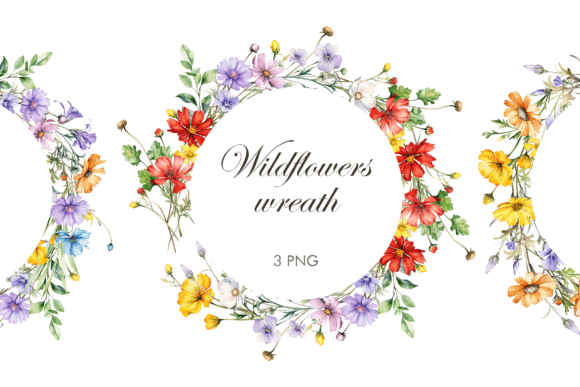
Watercolour Wildflowers Bouquet Clipart Illustrations
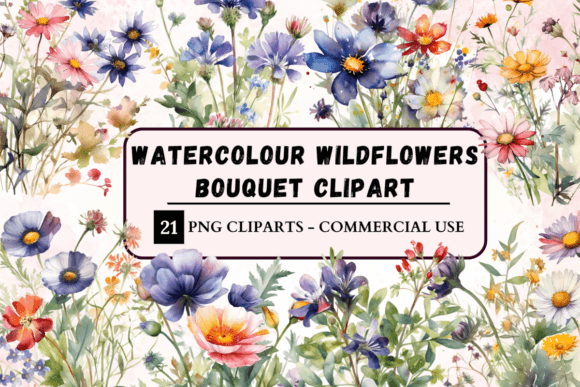
As a digital publisher and blog designer, my first interaction with any new graphic design asset is strictly analytical. I do not just look at the aesthetic beauty; I evaluate how it will perform across a content ecosystem. When reviewing this Watercolour Wildflowers Bouquet Clipart, the immediate impression is one of organic sophistication and editorial warmth. Unlike rigid vector art or overly saturated stock photography, these illustrations carry a hand-painted texture that signals authenticity to the reader. In an era where AI-generated imagery often feels sterile, this watercolour collection offers a human touch that is essential for lifestyle, wellness, gardening, and creative niches.
The mood established by these botanical elements is distinctly feminine yet professional. It avoids being childish or overly whimsical, striking a balance that works for serious content creators who still want to maintain visual softness. For a publisher, this means the asset can bridge the gap between personal storytelling and commercial authority. It suggests a brand identity that values nature, slow living, and craftsmanship, making it an ideal foundation for websites focused on holistic health, sustainable fashion, floral design, or artisanal e-commerce.
Elevating Editorial Design and Blog Graphics
In a real publishing workflow, consistency is the metric that builds reader trust. This Watercolour Wildflowers Bouquet Clipart serves as a unifying thread across disparate content types. When designing featured images for blog posts, the loose arrangement of the wildflowers provides ample negative space. This is critical for web design because it allows headline text to sit comfortably without competing with busy visual details. The transparency of the background ensures that these illustrations integrate seamlessly into any website header or article layout, regardless of whether your site uses a white, cream, or pastel color scheme.
Beyond standard blog graphics, this asset shines in content marketing applications. Consider the creation of a lead magnet or digital guide. A plain PDF cover often fails to convert, but adding a delicate bouquet illustration instantly elevates the perceived value of the free resource. Whether you are designing a checklist for garden planning or a meditation journal, the watercolour style reinforces the calming nature of the content. For affiliate marketers promoting beauty or home decor products, these visuals act as a soft sell, creating an aspirational atmosphere that encourages clicks more effectively than aggressive sales banners.
Strategic Applications for Pinterest and Social Media
Pinterest remains a primary traffic driver for visual niches, and this clipart collection is optimized for vertical pin designs. The vertical orientation of many bouquet arrangements naturally suits the 2:3 aspect ratio required for Pinterest pins. From a performance standpoint, pins featuring original artistic elements tend to outperform generic stock photos because they stop the scroll. Using these illustrations as border accents or central focal points in Canva templates allows for rapid production of fresh social media graphics that remain on-brand.
For newsletter creators, the challenge is often maintaining engagement without overwhelming the inbox. These wildflower illustrations work exceptionally well as dividers, footer accents, or subtle header backgrounds in email campaigns. They add visual interest without increasing file size drastically, provided they are optimized correctly. In the context of small business branding, using consistent floral motifs across Instagram stories, Facebook covers, and email signatures creates a cohesive visual language that makes the brand instantly recognizable.
Enhancing Visual Hierarchy and Reader Trust
Visual hierarchy dictates how a reader consumes information. This Watercolour Wildflowers Bouquet Clipart supports hierarchy by acting as a directional cue. A bouquet leaning toward the left naturally guides the eye toward text placed on the right. This subtle psychological prompting improves the user experience and keeps readers engaged with the written content. Furthermore, high-quality custom illustrations signal to the audience that the publisher has invested in their platform. This investment translates to trust; readers subconsciously associate polished design with credible information.
For those selling digital products or printable design resources, this asset adds tangible value. If you are creating wedding stationery suites, planner stickers, or wall art, these wildflowers provide a versatile base layer. The commercial design potential here is significant, but it relies on how the asset is integrated. It should never be the sole element on a paid product; rather, it should be part of a larger, unique composition. This approach respects intellectual property while allowing creators to build profitable assets within a creative marketplace environment.
Where to Exercise Caution in Layouts
While versatile, this specific style of illustration requires careful placement. It is less suitable for highly technical, corporate, or data-heavy content where precision and stark modernism are expected. In those contexts, watercolour can feel too informal or imprecise. Additionally, publishers must be mindful of contrast. Because watercolours often feature light washes and soft edges, placing white text directly over them is a readability failure. Always use a solid backing shape or ensure the text sits in the negative space beside the flowers.
Mobile responsiveness is another critical consideration. Intricate botanical details can get lost when scaled down to a mobile thumbnail or a favicon. Before committing this Watercolour Wildflowers Bouquet Clipart to a permanent navigation element or category icon, test it at small sizes. If the petals blur together or the image becomes muddy, reserve it for hero images and full-width banners instead. Clarity must always take precedence over decoration in functional web design.
Technical Publisher Notes for Professional Results
To maximize the utility of this graphic design asset, adhere to the following technical best practices during your publishing workflow:
- Font Pairing Testing: Test the clipart against various typography styles. It pairs beautifully with elegant serifs and organic handwritten scripts but may clash with geometric sans-serifs. Ensure the font weight does not overpower the delicate brushstrokes.
- File Optimization: Watercolour textures can result in large file sizes. Always compress PNG files before uploading to your CMS to maintain fast page load speeds, which is vital for SEO and user retention.
- Licensing Verification: Before using these illustrations on monetized sites, affiliate pages, or items for sale, confirm the specific commercial license terms. Understand the difference between personal use, limited commercial use, and extended licensing for digital downloads.
- Contrast Checks: Use accessibility tools to verify that any text overlaid near the illustrations meets WCAG standards. The decorative nature of the art should never compromise content accessibility.
- Brand Consistency Audit: Create a style guide that defines exactly how and where these wildflowers appear. Decide if they will be used only in headers, or also as bullet points and separators. Consistency prevents the site from looking cluttered.
Ultimately, this Watercolour Wildflowers Bouquet Clipart is more than just a pretty picture; it is a strategic tool for digital publishers. When applied with intention, it transforms generic web pages into immersive editorial experiences. It supports the narrative, enhances the brand identity, and provides the visual polish necessary to compete in today’s crowded content landscape. By treating this asset as a core component of your design system rather than an afterthought, you unlock its full potential to drive engagement and build a loyal readership.