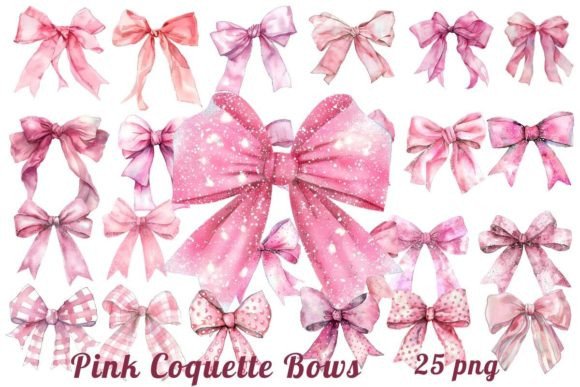
Pink Coquette Bows Watercolor Clipart Review
As a designer who spends more time behind an embroidery machine than a computer screen, I approach digital assets with a specific question: will this actually stitch out well? When evaluating Pink Coquette Bows Watercolor Clipart, my first impression is undeniably positive regarding aesthetic appeal. The soft, romantic mood of these illustrations captures the current coquette trend perfectly. However, translating watercolor art into a machine embroidery design requires more than just pretty pixels. It demands an understanding of how thread interacts with fabric and how digital shading converts to physical texture.
I recently tested elements from this collection for a custom client project involving bridal party tote bags and matching sweatshirts. My goal was to determine if these designs could transition from screen to stitch without losing their delicate charm or causing production headaches. Here is my practical assessment for fellow makers, Etsy sellers, and apparel decorators considering this asset for real-world application.
Translating Watercolor Aesthetics to Thread
The visual personality of Pink Coquette Bows Watercolor Clipart relies heavily on soft gradients and translucent layers. In digital illustration, this creates depth effortlessly. In embroidery, we must replicate this using stitch density and thread blending. Upon reviewing the artwork, I noticed the bow shapes have distinct edges but fluid centers. This suggests they are excellent candidates for a combination of satin stitch borders and lighter fill stitch interiors.
For my test run on a cream-colored canvas tote bag, I found that the design’s organic lines allowed for some artistic interpretation during digitizing. Unlike rigid geometric logos, these bows forgive minor registration shifts. The watercolor style actually benefits from slight gaps between stitch blocks, mimicking the white space in traditional painting. If you are purchasing this as a pre-digitized embroidery file, check that the digitizer used variable density rather than solid blocks. Solid fills will make a coquette bow look heavy and plastic, defeating the purpose of the watercolor aesthetic.
Real-World Application: The Bridal Tote Test
I selected a mid-sized bow motif for a personalized gift set. The client wanted a vintage, handmade product feel rather than mass-produced merchandise. Using a tear-away stabilizer on unlined canvas, the design stitched out with surprising clarity. The pink tones required careful thread color selection; I used three shades of pink rayon thread to create a gradient effect that honored the original watercolor source.
The result was a sophisticated tote bag design that looked high-end. Customers often associate the coquette aesthetic with fragility, but because the bow shape is compact, it maintained structural integrity even on a textured fabric. This makes the clipart versatile for both delicate baby embroidery and sturdier items like aprons or kitchen towels. For small shop owners, this versatility is key. You can use the same core design assets across multiple product categories, maintaining brand consistency while expanding your inventory.
Where to Exercise Caution in Production
While Pink Coquette Bows Watercolor Clipart is visually stunning, not every iteration is suitable for every substrate. As experienced crafters know, detail is the enemy of durability on certain fabrics. I would advise against using the most intricate, lace-like variations of these bows on stretchy knits or ribbed fabrics unless you are using a heavy cut-away stabilizer and potentially an applique design technique to anchor the stitches.
Dark fabrics present another challenge. Watercolor art depends on light passing through layers. On black or navy sweatshirts, the transparency is lost. To adapt this clipart for dark custom apparel, you may need to add a white underlay or choose a version of the design with bolder outlines. Without this adjustment, the pastel pinks will disappear into the garment, wasting time and materials. Always test on scrap fabric first, especially when working with low-contrast combinations.
Furthermore, consider the end-use care. A decorative pillow cover featuring these bows can handle higher stitch counts and finer details because it won't be washed frequently. However, baby embroidery or children's clothing requires durability. Ensure the design does not have excessively long satin stitches that could snag on tiny fingers or unravel in the wash. If the clipart includes very thin ribbon tails, verify they are wide enough to support at least two columns of stitching for longevity.
Commercial Viability for Creative Entrepreneurs
For Etsy sellers and creative entrepreneurs, time is money. Pink Coquette Bows Watercolor Clipart offers significant value beyond just the finished stitch-out. These illustrations serve as exceptional assets for creating printable mockups and digital product previews. Before I even hooped fabric, I used the high-resolution PNGs to create listing photos for my shop. This allows you to gauge customer interest and secure pre-orders before committing to production sampling.
When selling finished products, the professional presentation of these bows elevates perceived value. A generic vector bow looks like clipart; a watercolor-inspired embroidered bow looks like bespoke art. This distinction justifies higher price points for boutique branding and holiday embroidery collections. Just ensure you confirm licensing terms before selling. Some digital assets allow for commercial use on physical goods but restrict resale of the digital files themselves. Protecting your business means respecting intellectual property while leveraging these beautiful design assets legally.
Essential Designer Notes for Success
To get the best results from this collection, treat the digital file as a starting point, not a final command. Here are my technical recommendations for integrating Pink Coquette Bows Watercolor Clipart into your workflow:
- Verify Hoop Size Compatibility: Never assume a design fits your machine’s maximum area. Resize carefully, keeping in mind that reducing watercolor-style embroidery too much causes stitch overlap and puckering.
- Stabilizer Selection Matters: Match your backing to the fabric weight. Use cut-away for knits and stretchy materials to prevent distortion of the bow’s curves. Use tear-away only for stable wovens like denim or canvas.
- Thread Contrast Check: View your thread palette in natural light. Screen colors rarely match rayon or polyester thread exactly. Create a physical color chart to ensure the pinks complement, rather than clash with, your base fabric.
- Test Stitch Density: If digitizing from scratch or modifying a file, aim for a balance. Too dense, and the fabric buckles; too sparse, and the watercolor illusion breaks. A test stitch on similar fabric texture is non-negotiable.
- Licensing Confirmation: Before listing any personalized gift or commercial embroidery item, double-check the creator’s terms regarding small business use versus large-scale manufacturing.
Ultimately, Pink Coquette Bows Watercolor Clipart is a valuable resource for makers who understand the nuance of textile art. It bridges the gap between trendy digital aesthetics and tangible, heirloom-quality craftsmanship. Whether you are creating a signature sweatshirt embroidery line or adding a feminine touch to nursery decor, success lies in respecting the medium. By testing thoroughly and adapting the design to your specific materials, you can transform these lovely illustrations into profitable, professional-grade embroidered goods that customers will cherish.