Watercolor Pink Easter Nest Clipart Review
As an embroidery designer who has digitized and stitched out countless seasonal assets, I approach new digital files with a healthy dose of skepticism. We have all purchased beautiful screen graphics that turn into thread disasters once they hit the hoop. When evaluating the Watercolor Pink Easter Nest Clipart for potential use in my commercial embroidery projects, my first question is always practical: does this illustration translate into stitches, or will it remain just a pretty picture on my computer? After analyzing the composition, color transitions, and structural integrity of this design, I see significant promise for specific handmade products, provided you understand how watercolor aesthetics behave under a needle.
First Impressions and Seasonal Mood
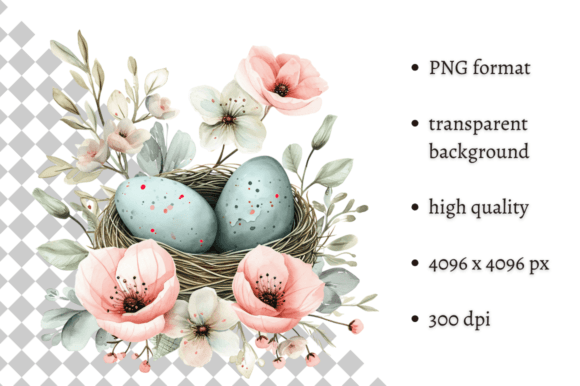
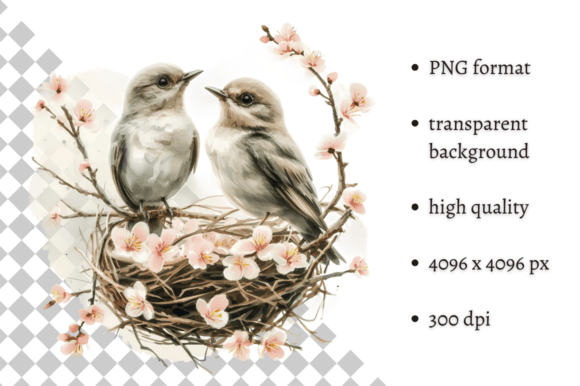
The immediate appeal of this Watercolor Pink Easter Nest Clipart lies in its softness. Unlike rigid vector art or harsh cartoon outlines, this illustration carries a gentle, organic flow that mimics traditional hand-painting. For an embroidery project, this mood is gold. It evokes nostalgia and tenderness, making it inherently suitable for baby embroidery, nursery decor, and spring boutique collections. The pink tones are not neon or flat; they suggest depth and blending, which tells me the digitizer likely utilized complex fill stitch gradients or layered satin stitch elements to achieve that painted look.
However, as a reviewer, I also look at the negative space. A nest design can easily become a dense bulletproof patch if not managed correctly. This clipart appears to balance detailed egg textures with open areas, suggesting it won’t distort lightweight fabrics. This visual personality positions it perfectly for personalized gifts and high-end holiday embroidery rather than cheap, mass-produced merchandise. It feels like a premium asset for an Etsy seller looking to elevate their spring lineup.
Real-World Application: The Linen Tea Towel Test
To truly judge this machine embroidery design, I mentally placed it on a linen tea towel, a staple for any craft business or small shop product. Linen has a distinct weave that can swallow fine details. In this scenario, the Watercolor Pink Easter Nest Clipart performs well because the watercolor style relies on color blocks rather than microscopic lines. If this were a fine-line sketch, the texture of the linen would obscure the art. Here, the broader fill stitch areas work in harmony with the fabric texture.
I envision this design centered on a natural oatmeal-colored towel with a scalloped border. The contrast between the soft pink threads and the neutral fabric creates a sophisticated, vintage aesthetic that customers love. For a custom apparel application, such as a sweatshirt embroidery placement over the heart, the design’s compact shape is ideal. It doesn’t overwhelm the garment but serves as a delicate accent. This versatility makes it a valuable addition to your library of design assets, bridging the gap between home goods and wearable art.
Navigating Fabric Challenges and Stabilizer Choices
While the aesthetic is lovely, technical execution requires caution. Watercolor-style embroidery files often involve higher stitch density to create color blending effects. You must be vigilant when applying this to stretchy fabrics like jersey knits or ribbed cotton. Without proper stabilization, the weight of the thread could cause puckering or tunneling. I strongly recommend using a cut-away stabilizer for any custom apparel or tote bag design featuring this nest. For woven fabrics like quilting cotton or canvas, a tear-away may suffice, but always test first.
Dark fabrics present another hurdle. Watercolor pinks are translucent by nature. If you stitch this directly onto navy or black fabric without a white underlay, the colors will muddy and lose their luminosity. As a professional tip, ensure your embroidery file includes a solid white base layer beneath the colored stitches. If it doesn't, you may need to add one manually in your software. This step is non-negotiable for maintaining the visual clarity and value of the finished product. Additionally, be mindful of curved surfaces. While this nest shape is generally forgiving, placing it on a structured cap requires careful hooping to prevent the circular motif from warping into an oval.
Evaluating Commercial Viability for Makers
For creative entrepreneurs and handmade shop owners, time is money. Does the Watercolor Pink Easter Nest Clipart offer enough return on investment? Absolutely, but primarily as a niche seasonal driver. Its strength lies in personalization. Because the nest is a self-contained unit, it pairs effortlessly with monograms or names in a running stitch font below or above the graphic. This modularity allows you to create varied listings—from embroidered patches for denim jackets to personalized baby blankets—using a single digital embroidery file.
From a buyer engagement perspective, this style signals "handmade quality" even when machine-stitched. Customers associate watercolor aesthetics with artisanal care, distinguishing your work from generic factory embroidery. However, verify the licensing before listing. Ensure the terms allow for commercial embroidery on physical products versus digital resale. As an Etsy seller, presenting this design in a printable mockup that accurately reflects the thread sheen is crucial. Avoid flat digital previews; show the texture so buyers trust the tangible quality of your small shop product.
Designer Notes for Successful Stitch-Outs
Before committing this design to a final sellable item, run through this practical checklist to ensure professional results:
- Test on Scrap Fabric: Never stitch directly on a customer’s garment first. Use a scrap of the exact material and stabilizer combination you plan to use to check for registration issues or puckering.
- Analyze Stitch Density: Open the embroidery file in your software. Check if the watercolor shading areas are excessively dense. If the stitch count seems too high for the hoop size, consider reducing density slightly to maintain fabric drape.
- Thread Color Matching: Watercolor relies on subtle variegation. Compare your physical thread chart against the digital file. You may need to blend two similar pink shades in the machine to replicate the gradient seen on screen.
- Hoop Size Verification: Confirm the design dimensions fit your intended placement. Resizing watercolor designs can sometimes distort the stitch angle of fill areas; resize within 10-15% or re-digitize if major changes are needed.
- Wash Testing: If selling baby embroidery or kitchen textiles, wash and dry your test sample. Watercolor fills can sometimes pull or gap after laundering if the underlay isn't secure.
- Mockup Accuracy: When creating marketing materials, use realistic shadows and fabric textures. A flat JPEG does not sell embroidery; a textured preview sells the dream of the finished product.
Final Verdict on Usability
The Watercolor Pink Easter Nest Clipart is more than just a seasonal decoration; it is a functional design asset for the thoughtful embroiderer. It succeeds because it respects the medium, offering a balance of artistic flair and structural viability. Whether you are creating a personalized gift for a loved one or stocking your Etsy shop for the spring rush, this illustration provides a strong foundation for beautiful, marketable work. Just remember that the magic of watercolor embroidery lies in the preparation. Respect the fabric, stabilize correctly, and let the soft pinks speak for themselves. With these precautions, this design is poised to become a favorite in your commercial embroidery rotation.