Vintage Couple Watercolor Clipart Illustrations Review
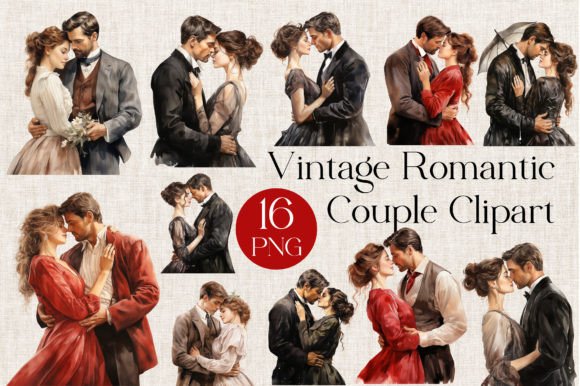
As a digital publisher and blog designer, my first interaction with any new graphic design asset is always critical. When I opened the files for this Vintage Couple Watercolor Clipart collection, the immediate impression was one of refined nostalgia. Unlike many clipart sets that feel overly cartoonish or digitally sterile, these illustrations possess a genuine hand-painted texture that translates beautifully to screen. The editorial mood is distinctly romantic yet grounded, evoking a sense of timeless elegance rather than fleeting trendiness. For content creators in the lifestyle, wedding, relationship coaching, or historical fiction niches, this asset immediately signals quality. It feels feminine and artistic without being juvenile, making it a sophisticated choice for publishers who need to balance warmth with professional credibility.
Elevating Editorial Design and Reader Trust
In the current landscape of content marketing, visual hierarchy dictates reader retention. We often talk about typography and whitespace, but the emotional resonance of your imagery is what actually builds trust. This Vintage Couple Watercolor Clipart serves as more than just decoration; it acts as an emotional anchor for your editorial design. When a reader lands on a blog post about anniversary planning or vintage fashion, seeing a cohesive, high-quality watercolor illustration validates the content's authority. It suggests that the publisher has invested time and resources into the user experience. This level of polish differentiates a hobbyist blog from a serious media brand or small business website. The soft edges and organic color palettes inherent in these illustrations help soften the rigidity of web layouts, creating a welcoming atmosphere that encourages longer dwell times and deeper engagement with affiliate content or long-form articles.
Strategic Applications Across Digital Platforms
A versatile design asset must perform across multiple touchpoints. In my testing workflow, I evaluated how these illustrations function within real publishing scenarios. The transparency and resolution make them exceptionally useful for layered compositions. Here is where I found they deliver the most value:
- Pinterest Pin Creation: These are ideal for tall-format graphics. The vertical orientation of couple illustrations naturally fits the 2:3 aspect ratio, leaving ample negative space for bold headlines and branding elements.
- Website Header and Hero Images: Used as an accent element beside a serif headline, the clipart adds personality to otherwise text-heavy landing pages without overwhelming the primary call-to-action.
- Digital Product Packaging: For creators selling eBooks, printables, or courses, this art style elevates perceived value. It works perfectly on cover designs for relationship guides, wedding planners, or journaling worksheets.
- Newsletter Graphics: Email clients can be restrictive, but these lightweight PNGs load quickly and render consistently, adding a personal touch to automated welcome sequences or seasonal updates.
- Social Media Graphics: Beyond Pinterest, these work well as Instagram story backgrounds or carousel accents, providing a consistent brand identity across platforms.
Optimizing Visual Hierarchy for Click-Throughs
The ultimate goal of blog graphics is to drive action. Whether you are promoting an affiliate product or encouraging a newsletter signup, the image must support the conversion goal. This Vintage Couple Watercolor Clipart excels here because of its compositional balance. The subjects are centered enough to be recognizable at small sizes but detailed enough to hold interest when viewed on desktop. When designing featured images, I recommend using the couple illustration as a focal point while keeping the background clean. This ensures that overlay text remains legible, which is crucial for click-through potential on social feeds. A cluttered image kills curiosity; these illustrations provide just enough visual intrigue to stop the scroll while maintaining the clarity needed for effective communication.
Contextual Awareness: Where to Use and Where to Pause
While this asset is versatile, experienced designers know that context is king. There are specific environments where this vintage aesthetic thrives and others where it may create friction. Understanding these nuances prevents brand misalignment.
Ideal Environments for Deployment
This clipart shines brightest in spaces dedicated to storytelling, emotion, and aesthetics. Use it freely in hero sections for lifestyle blogs, as dividers in long-form editorial pieces, on lead magnet covers for creative entrepreneurs, and within Canva templates intended for feminine branding. It is also highly effective for seasonal content, particularly around Valentine’s Day, wedding season, or autumn nostalgia themes. The watercolor medium bridges the gap between modern design sensibilities and traditional artistry, making it safe for most consumer-facing creative niches.
Situations Requiring Caution
Conversely, exercise restraint if your website operates in highly technical, corporate, or minimalist sectors. A fintech blog or a cybersecurity firm would likely find this aesthetic dissonant with their brand voice. Additionally, be mindful of mobile thumbnails. While the detail is beautiful on desktop, intricate watercolor textures can sometimes appear muddy when scaled down to 150 pixels wide. Always test how the specific pose reads at tiny sizes. If the couple’s features become indistinguishable blobs, opt for a simpler variation or increase the contrast against the background. Avoid placing these illustrations over busy photographic backgrounds; they require solid colors or subtle gradients to maintain their integrity and ensure accessibility standards are met.
Publisher Workflow and Technical Best Practices
Integrating new design assets requires a rigorous quality assurance process. Before publishing content featuring this Vintage Couple Watercolor Clipart, run through this practical checklist to ensure professional results:
- Cross-Device Testing: Preview the graphic on both a 27-inch monitor and a smartphone. Ensure the colors remain vibrant and the details are visible on smaller screens.
- Typography Pairing: Test the illustration against various font families. It pairs exceptionally well with elegant serifs and handwritten scripts but can clash with rigid geometric sans-serifs. Find the combination that reinforces your brand identity.
- Contrast Verification: If overlaying text, use a contrast checker tool. Watercolor edges can be soft, so ensure there is sufficient separation between the art and your copy for readability.
- File Optimization: Raw PNG files can be heavy. Always compress images using tools like TinyPNG or ShortPixel before uploading to your CMS. This preserves site speed, which is a critical ranking factor for SEO.
- Licensing Compliance: This is non-negotiable. Before using this asset on monetized websites, affiliate pages, or paid digital downloads, verify the commercial license terms. Ensure you are permitted to use the art in end products for sale or in advertising materials. Respecting intellectual property protects your business from legal risk and supports the original artists in the creative marketplace.
- Black and White Conversion: Test the asset in grayscale. A strong illustration should retain its form and impact even without color. This is useful for print-friendly versions of your content or minimalist email designs.
Final Thoughts on Asset Integration
For bloggers, educators, and creative entrepreneurs, finding reliable illustrations that feel authentic is a constant challenge. This Vintage Couple Watercolor Clipart collection offers a robust solution for those seeking to infuse their digital presence with warmth and artistry. By treating this asset as a strategic component of your visual communication system—rather than mere filler—you enhance the overall quality of your publication. Remember that great web design is invisible; it simply makes the content feel right. When used with intentionality regarding placement, pairing, and performance, these illustrations can significantly elevate your brand perception, turning casual visitors into loyal readers and customers. Always prioritize the user experience, respect the licensing, and let the art serve the story you are trying to tell.